
Knowing What's Ahead in Your SCAC Journey
Each patient's SCAC journey is unique. Ask your doctor about available treatments for SCAC.
Your doctor will work with you to decide the best approach for therapy.
An initial diagnosis of SCAC can occur either at an early stage, when the cancer is still localized, or at a later stage, when it has spread to other areas. Here’s what you can expect with each diagnosis.
Localized/Locally Advanced SCAC
- Localized: This means the cancer was found very early and hasn't yet spread. Also known as early-stage SCAC
- Locally advanced: This means the cancer may be in nearby lymph nodes or has invaded nearby organs
What to expect:
At this stage, there are two main treatment options: surgery and chemoradiation therapy (CRT, for short). CRT uses both chemotherapy and radiation at the same time to shrink tumors and prevent the cancer from spreading.
What you might experience*:
CRT can take a toll on your body, with common side effects including skin irritation and tenderness at the radiation treatment site, nausea, vomiting, and sores in the mouth and lining of the anus. Talk to your doctor about ways to prevent or reduce side effects.
Your doctor will schedule a follow-up physical exam, that may include a digital rectal examination, about 8 to 12 weeks after you finish CRT to check how well the treatment worked. Your doctor may also recommend imaging tests.
Metastatic SCAC
This means the cancer has spread to distant parts of the body, such as the liver or lungs. Also known as late-stage or stage IV SCAC.

How this is managed*:
Historically, the initial treatment for patients with metastatic SCAC has been chemotherapy, but an FDA-approved treatment for metastatic SCAC is now available.
SCAC that’s in remission:
Now that you've completed treatment and there are no signs of cancer, your doctor will continue to monitor your health with regular follow-up appointments. They’ll explain what tests may be needed as part of your ongoing care.
What you can do now:
Stay on top of your health by keeping up with follow-up visits and any tests your doctor recommends. Watch for any new or worsening symptoms, and don’t wait to speak up if you notice changes. Remember, self-care is a big part of staying healthy while in remission.
SCAC that has come back:
When cancer returns after being in remission, it's called a recurrence, meaning some cancer cells have grown back. Your recurrent cancer may be in the same location as the original cancer or in soft tissue or lymph nodes near the original cancer. It also may have spread to more distant parts of the body.
SCAC that didn't respond to treatment:
When cancer does not respond to treatment, it's called progressive disease. Your progressive disease may be limited to the anal area or it may have spread to distant parts of the body.

How this is managed*:
Together with your doctor, you’ll decide what the best treatment is for you. Ask about any new treatment options that might be available.
Explore the National Comprehensive Cancer Network® (NCCN®) Patient Guidelines along with these resources to help navigate your SCAC journey
*
Referenced with permission from the NCCN Guidelines for Patients® with Anal Cancer, 2025. © 2025 National Comprehensive Cancer Network. All Rights Reserved. Accessed November 24, 2025. To view the most recent and complete version of the NCCN Guidelines for Patients, visit nccn.org/patientguidelines.
NCCN makes no warranties of any kind whatsoever regarding their content, use or application and disclaims any responsibility for their application or use in any way.
Knowing What's Ahead in Your SCAC Journey
Each patient's SCAC journey is unique. Ask your doctor about available treatments for SCAC. Your doctor will work with you to decide the best approach for therapy.
An initial diagnosis of SCAC can occur either at an early stage, when the cancer is still localized, or at a later stage, when it has spread to other areas. Here’s what you can expect with each diagnosis.
Localized/Locally Advanced SCAC
- Localized: This means the cancer was found very early and hasn't yet spread. Also known as early-stage SCAC
- Locally advanced: This means the cancer may be in nearby lymph nodes or has invaded nearby organs
What to expect:
At this stage, there are two main treatment options: surgery and chemoradiation therapy (CRT, for short). CRT uses both chemotherapy and radiation at the same time to shrink tumors and prevent the cancer from spreading.
What you might experience*:
CRT can take a toll on your body, with common side effects including skin irritation and tenderness at the radiation treatment site, nausea, vomiting, and sores in the mouth and lining of the anus. Talk to your doctor about ways to prevent or reduce side effects.
Your doctor will schedule a follow-up physical exam, that may include a digital rectal examination, about 8 to 12 weeks after you finish CRT to check how well the treatment worked. Your doctor may also recommend imaging tests.
Metastatic SCAC
This means the cancer has spread to distant parts of the body, such as the liver or lungs. Also known as late-stage or stage IV SCAC.
How this is managed*:
Historically, the initial treatment for patients with metastatic SCAC has been chemotherapy, but an FDA-approved treatment for metastatic SCAC is now available.
SCAC that’s in remission:
Now that you've completed treatment and there are no signs of cancer, your doctor will continue to monitor your health with regular follow-up appointments. They’ll explain what tests may be needed as part of your ongoing care.
What you can do now:
Stay on top of your health by keeping up with follow-up visits and any tests your doctor recommends. Watch for any new or worsening symptoms, and don’t wait to speak up if you notice changes. Remember, self-care is a big part of staying healthy while in remission.
SCAC that has come back:
When cancer returns after being in remission, it's called a recurrence, meaning some cancer cells have grown back. Your recurrent cancer may be in the same location as the original cancer or in soft tissue or lymph nodes near the original cancer. It also may have spread to more distant parts of the body.
SCAC that didn't respond to treatment:
When cancer does not respond to treatment, it's called progressive disease. Your progressive disease may be limited to the anal area or it may have spread to distant parts of the body.
How this is managed*:
Together with your doctor, you’ll decide what the best treatment is for you. Ask about any new treatment options that might be available.
Explore the National Comprehensive Cancer Network® (NCCN®) Patient Guidelines along with these resources to help navigate your SCAC journey
*
Referenced with permission from the NCCN Guidelines for Patients® with Anal Cancer, 2025. © 2025 National Comprehensive Cancer Network. All Rights Reserved. Accessed November 24, 2025. To view the most recent and complete version of the NCCN Guidelines for Patients, visit nccn.org/patientguidelines.
NCCN makes no warranties of any kind whatsoever regarding their content, use or application and disclaims any responsibility for their application or use in any way.
Learn about an available treatment option for certain people with SCAC
Real Stories about Anal Cancer
Let’s Talk Anal Cancer
Inspiring Others With a Unified Voice
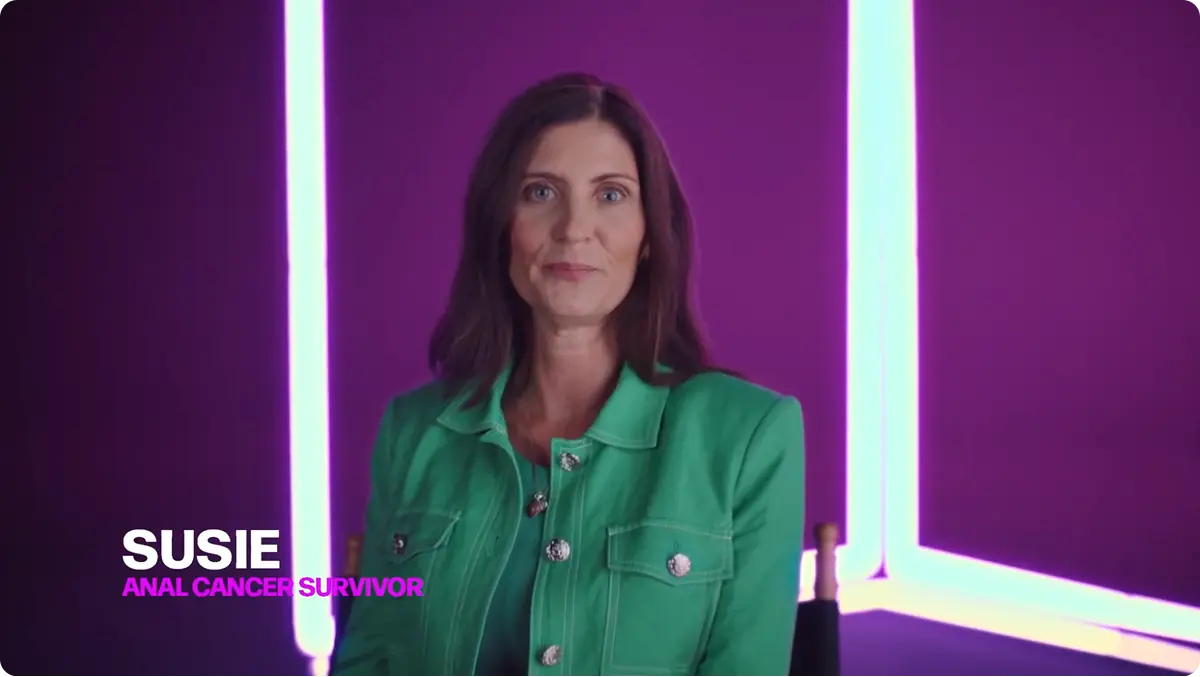
Listen to Mary, Daniel, and Susie share their empowering message about anal cancer: Surviving the journey starts with talking about it—and nothing is off limits. They’ll help you get comfortable discussing the body part no one wants to mention.


Self-advocating Through a Misdiagnosis
Discover Mary's determination to have her voice heard by medical professionals amid her stage III anal cancer diagnosis, as she shares her journey and her advice with others.

Opening Up To Make a Difference
Understand how Susie’s story could be your story too: 9 out of 10 people are affected by HPV—a risk factor for anal cancer. Hear her talk about how advocating for herself may have saved her life.
Confronting Feelings of Shame
Hear Daniel’s experience navigating the stigma of anal cancer within the Latino and gay communities—and be uplifted by his encouragement to speak up and challenge it.

Personal Stories
Navigating Ongoing Care
Mary shares her journey of being diagnosed with anal cancer, highlighting her symptoms, delayed diagnosis, and treatment experience, as well as the importance of self-advocacy, seeking support, and educating others.

Speaking Up About Symptoms
of Anal Cancer
Claudia engages in a candid conversation about recognizing symptoms and when to see a doctor.
Discussing the
Anal Cancer Journey
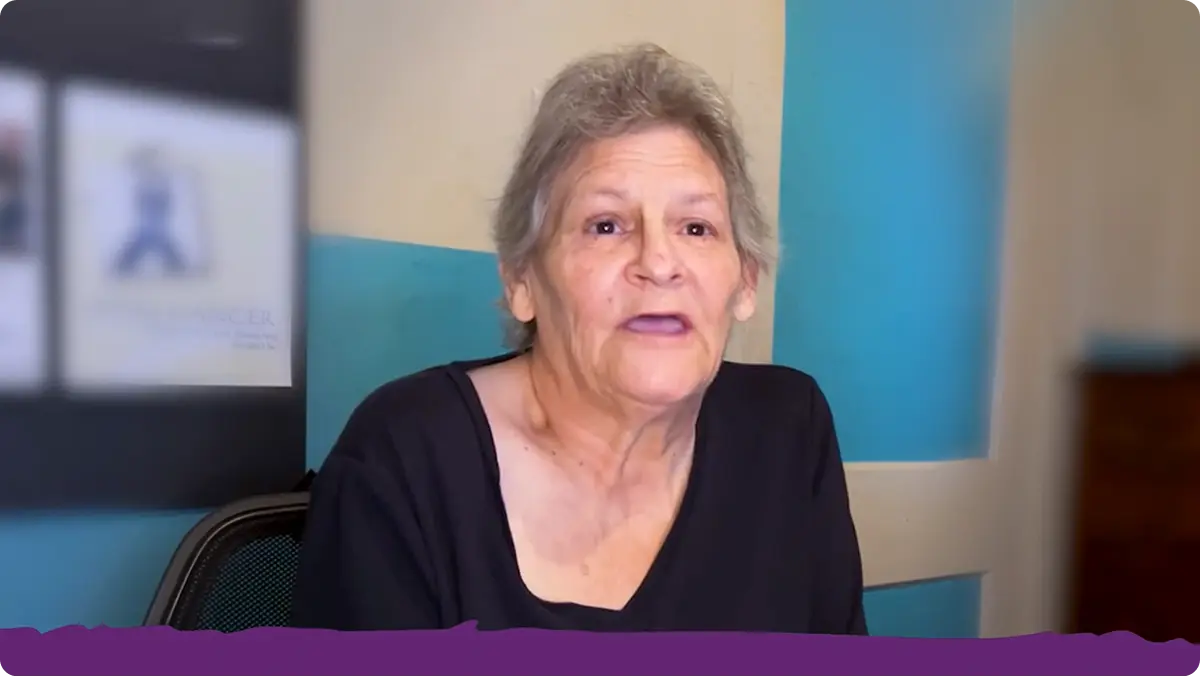
Brittany talks about her journey with anal cancer, discussing her symptoms, the challenges she faced in getting a diagnosis, the stigma surrounding HPV-related cancers, and the value of self-advocacy and community support.

An Expert Perspective: Speaking Up About Your Symptoms
Hear expert oncologist Dr Philip Philip, who has more than 30 years of experience treating anal cancer, discuss the importance of speaking up and connecting with your doctor.

I wish more people knew that if you’re experiencing pain, if you have a change in bowel habits, if you’re experiencing itching, if you can feel a lump—those are all symptoms of anal cancer and you need to go see a doctor.
–Claudia M., SCAC thriver

Support & Resources
Discover tools to help you feel more confident and in control as you navigate your anal cancer diagnosis.
Discussion Guide
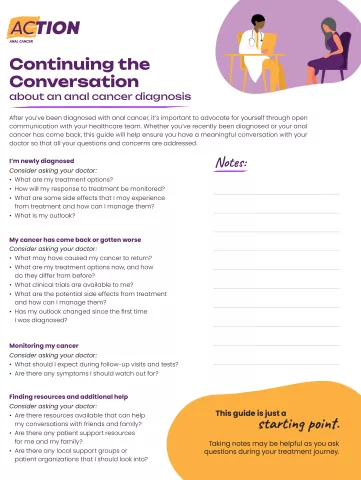
It's not always easy to know what to ask your doctor. This guide can help. It gives you questions and key terms to make the most of your conversation.

Discussion Guide
It's not always easy to know what to ask your doctor. This guide can help. It gives you questions and key terms to make the most of your conversation.
Community Resources
These resources may provide support and help you connect with others who understand what you're going through and how to navigate it.